
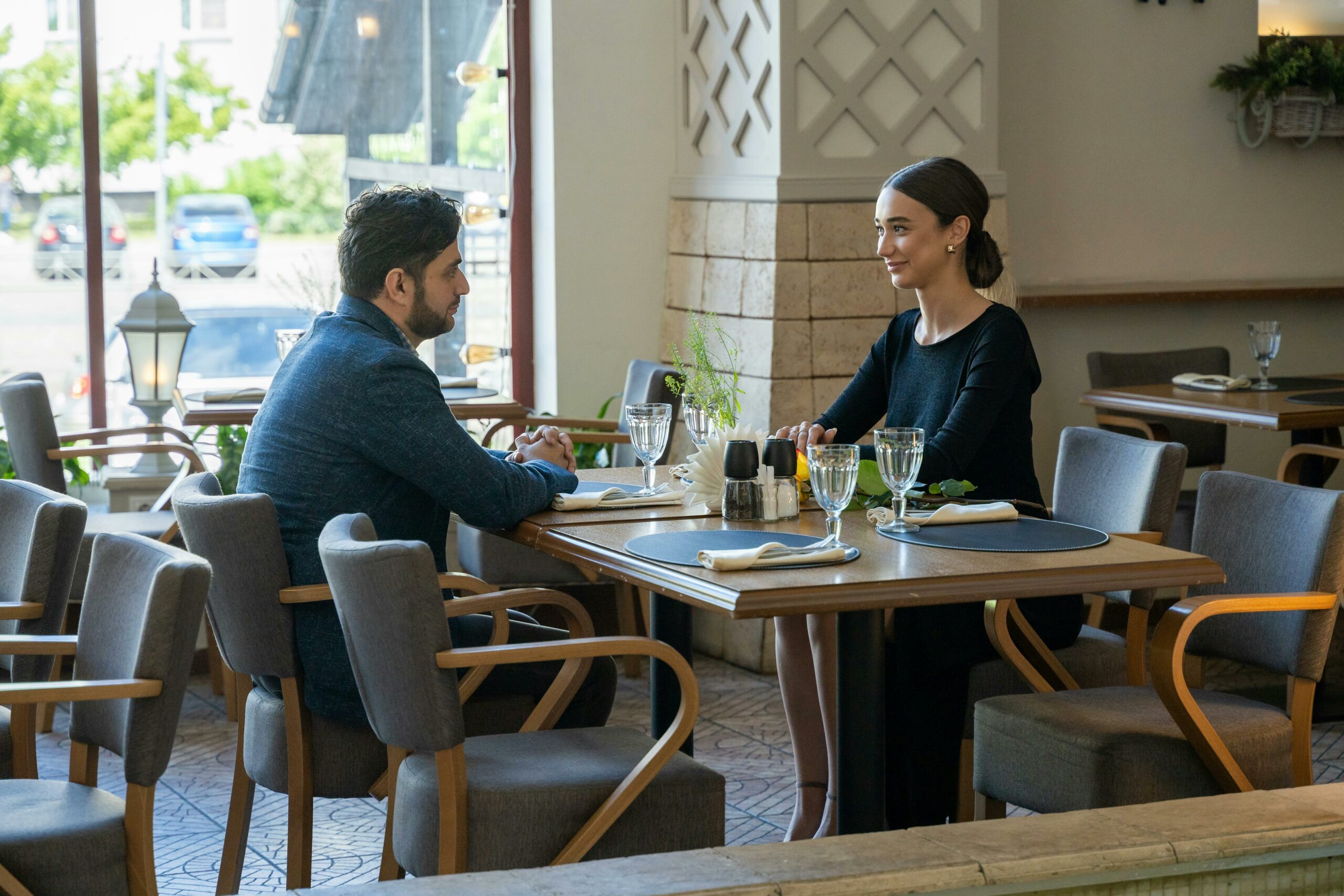
You’ve got a date coming up. Great. Now you’re staring at Google Maps, scrolling through reviews, second-guessing every option, and somehow it’s been 45 minutes and you still haven’t booked anything. Sound familiar ? Choosing a restaurant for a date shouldn’t be this stressful – but it is, because you know the place you pick sets the tone for the whole evening. Too fancy and it feels forced. Too casual and it looks like you didn’t try. The good news ? There are a few simple rules that take the guesswork out of it.
It’s Not About the Food – It’s About the Experience
The reality is, most date-night disasters aren’t about the food. They’re about the setting, the noise level, the vibe. A great conversation in a mediocre restaurant beats an awkward silence in a Michelin-starred one every single time. If you’re looking for ideas and inspiration around dating and meeting people in relaxed settings, https://rencontre-cafe.com is worth a browse. But when it comes to the restaurant itself, here’s what actually matters.
Start With the Noise Level – Seriously
This is the thing nobody talks about, and it’s probably the most important factor. If you can’t hear each other, the date is dead on arrival. That trendy open-kitchen place with concrete walls and industrial lighting ? It might look amazing on Instagram, but if you’re shouting across the table, it’s a terrible date spot.
Look for restaurants with soft furnishings, carpeted floors, booth seating, or at least some sound absorption. Check reviews specifically for mentions of noise. If three different people mention it being loud, believe them. I’ve personally walked into places that looked perfect online and turned around within five minutes because the acoustics were unbearable.
A quiet corner table is worth more than any fancy menu. Keep that in mind.
Pick a Cuisine You Both Know (At Least Roughly)
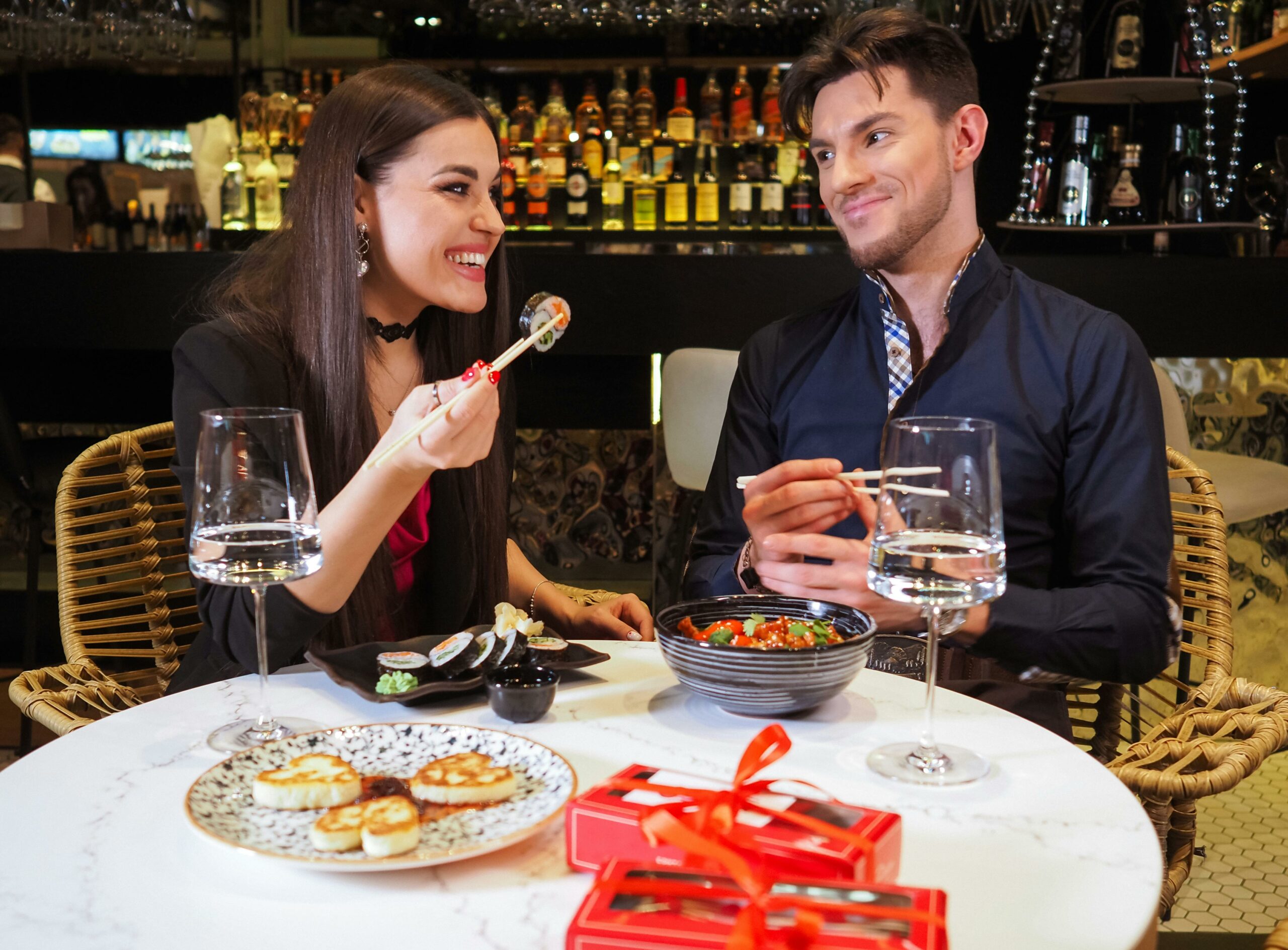
A first or second date is not the time to experiment with fermented fish or tripe. I mean, maybe it is for some people – but for most, you want to play it relatively safe. Go with a cuisine where you’ll both recognise most of the menu and feel comfortable ordering.
Italian, Japanese, modern European, good Spanish tapas – these tend to work well because the menus are familiar enough that nobody ends up panicking over what to choose. Tapas and sharing plates are especially good for dates because they encourage conversation and feel more relaxed than each person staring at their own main course in silence.
If your date has mentioned a specific food preference or dietary restriction, obviously factor that in. Taking a vegetarian to a steakhouse is not a power move. It’s just careless.
The Price Range Sweet Spot
Here’s where people overthink things the most. You don’t need to spend a fortune. In fact, going too expensive on a first date can create an awkward dynamic – it puts pressure on both sides. But going too cheap can feel dismissive.
For most cities, a restaurant where mains sit between £14 and £28 per person tends to hit the right note. It says “I’ve made an effort” without screaming “I’m trying to buy your attention.” Somewhere in that range, the food is usually decent, the service attentive enough, and the setting appropriate.
If you’re on a tighter budget, look for restaurants that do great set menus or early evening deals. Many places offer two or three courses for a fixed price before 7pm. Same kitchen, same food, better value. Nobody needs to know you booked the 6:15 slot for a reason.
Check the Lighting
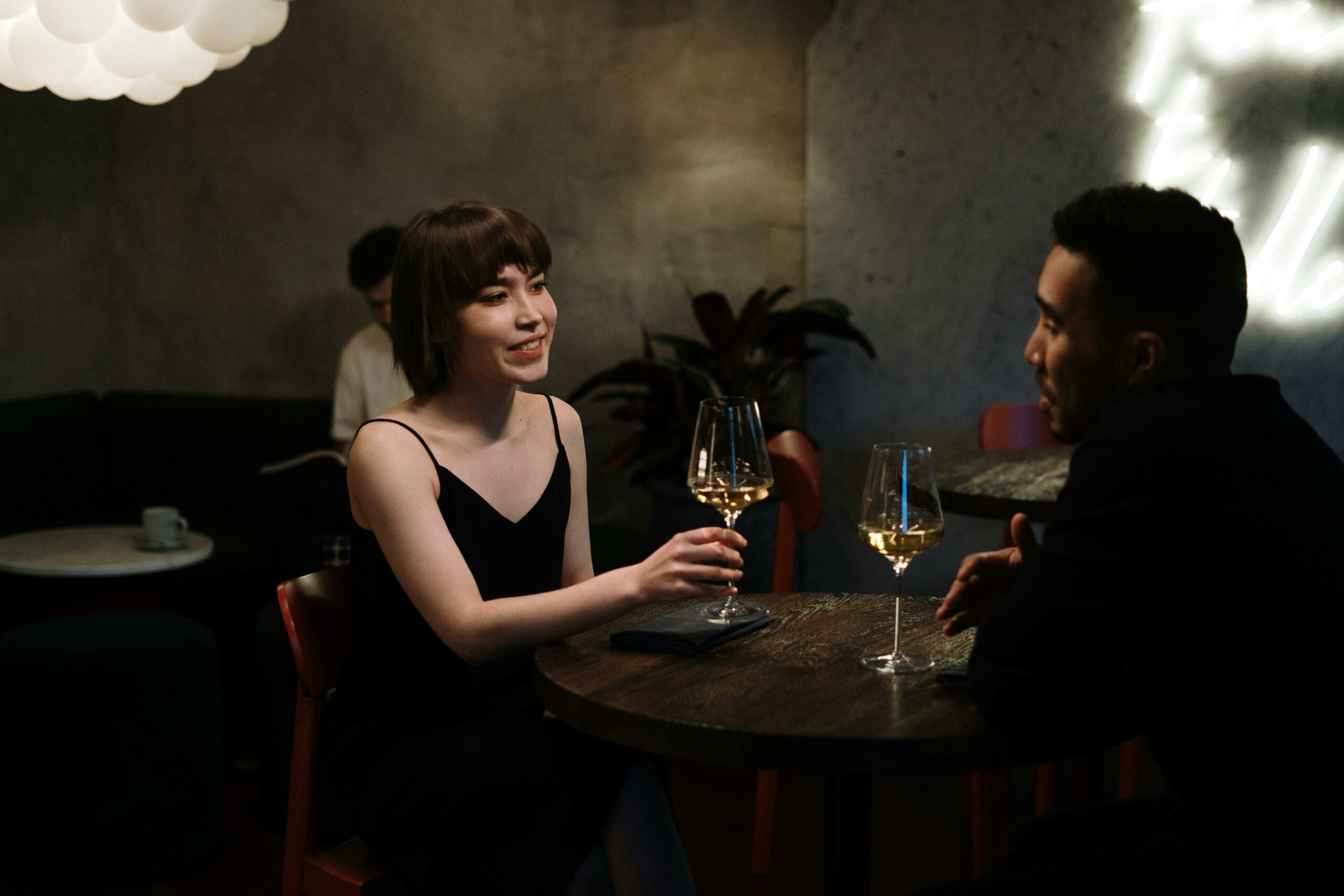
This sounds superficial, but hear me out. Harsh overhead lighting makes everyone look tired and turns a dinner into something that feels like a work canteen. Dim, warm lighting makes the whole experience feel more intimate and relaxed. Candles help. A lot.
If you’re checking photos on Google or the restaurant’s own website, pay attention to the lighting in the images. If the dining room looks like a hospital corridor, keep scrolling. You want somewhere that feels warm when you walk in. That feeling matters more than you’d think.
Location and Logistics Matter
Think about how easy it is to get to. A restaurant that requires a 40-minute drive or three bus changes is adding friction before the date even starts. Ideally, pick somewhere reasonably central, easy to find, and close to other options – a bar you could move to afterwards, a place to walk, maybe somewhere for coffee.
Also think about the entrance. This is a small detail, but if the restaurant is down a sketchy alley or hard to find, it can create a bad first impression. You want your date to feel comfortable arriving, not confused.
Parking is worth checking too, especially outside major cities. Nothing kills the mood like circling the block for fifteen minutes.
Book a Table – Always
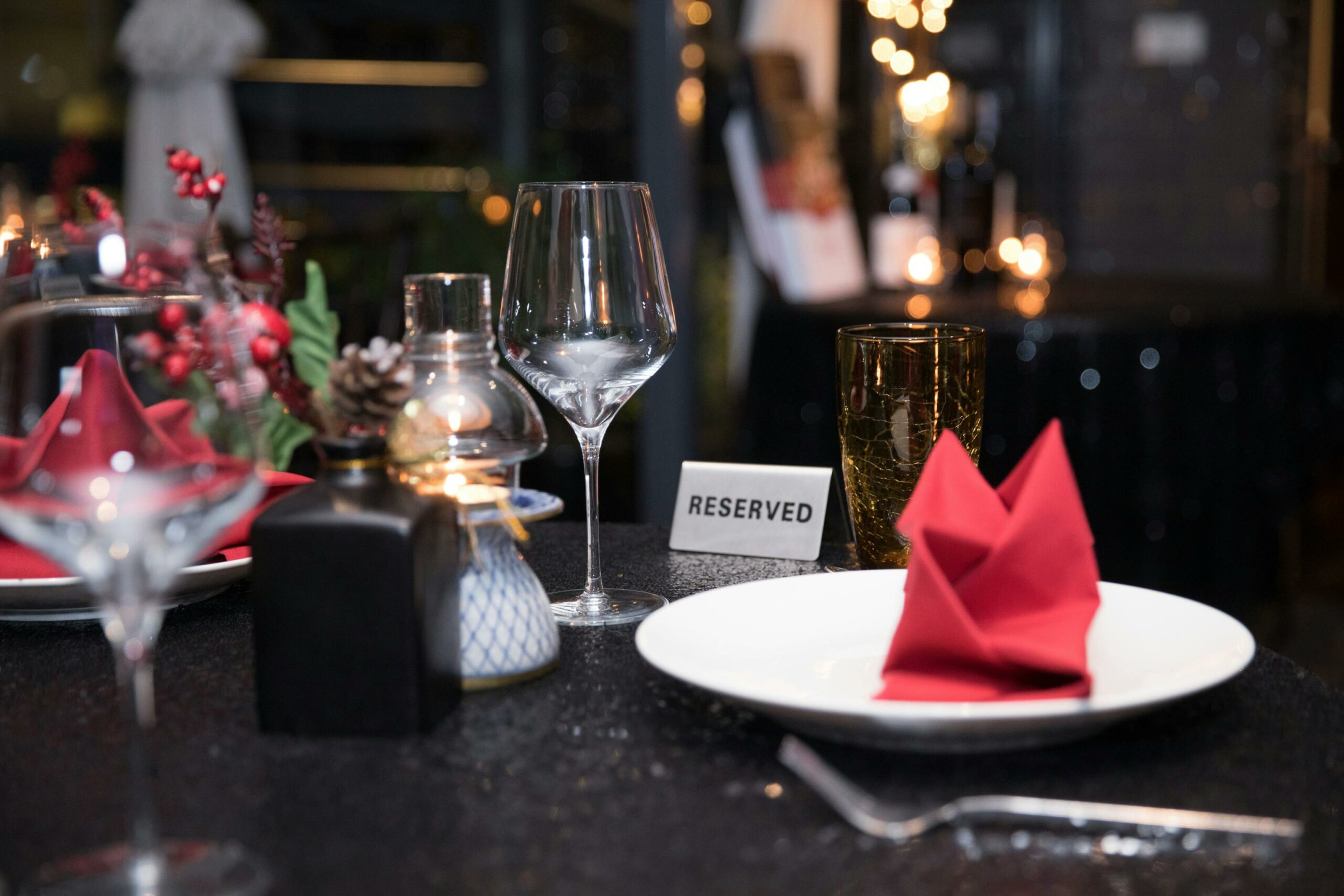
Even if the restaurant takes walk-ins. Even if it’s a Tuesday. Book. Showing up and waiting at the bar for 30 minutes because you didn’t reserve isn’t spontaneous – it’s just poor planning. And if the place is full ? Now you’re scrambling for a backup while pretending everything’s fine.
Most restaurants let you book online in under two minutes. Do it. Bonus : you can request a specific table – ask for a corner spot or a booth if available. The worst they can say is no.
Read the Reviews, But Read Them Right
Don’t just look at the star rating. A 4.3 on Google can mean very different things depending on what kind of reviews make up that average. What you want to look for is consistency. If multiple people mention great service, good portions, nice atmosphere – that’s reliable. If one person raves and the next says it was terrible, be cautious.
Pay special attention to reviews that mention date nights specifically. People who’ve been there for the same purpose you’re planning for will tell you things the food reviews won’t – like whether the tables are too close together, whether the music was too loud, or whether the waiters kept interrupting.
Also, check the one-star reviews. Not because they’re always right, but because they sometimes flag real issues – rude staff, long waits, cold food – that the five-star reviews gloss over.
What About First Date vs Third Date ?

They’re different, and the restaurant should reflect that. A first date is about low pressure – you want somewhere relaxed enough that leaving after one drink wouldn’t feel weird if things aren’t clicking. A cocktail bar with small plates, a casual bistro, or even a good wine bar can work well.
By the third date, you’ve got a bit more room. A proper sit-down restaurant with a tasting menu, or somewhere with a slightly more special atmosphere, makes sense now. You know you enjoy each other’s company, so a longer evening feels natural rather than forced.
I think the biggest mistake people make is going full fine dining on a first date. It locks you into two hours minimum with someone you might not click with. Keep it flexible early on.
A Few Red Flags to Avoid
Restaurants with TVs on the walls. Unless you’re both into sport and that’s the whole point, screens are distracting and kill conversation.
All-you-can-eat buffets. There’s nothing romantic about queueing for spring rolls under a heat lamp. Save it for a different occasion.
Chain restaurants in shopping centres. They’re fine for a quick lunch, but they scream “I didn’t put any thought into this.” And the atmosphere is usually non-existent.
Anywhere you go every week. Your regular takeaway curry spot might be amazing, but it’s not date energy. Pick somewhere that feels a bit different, even if it’s in the same neighbourhood.
The Simple Checklist
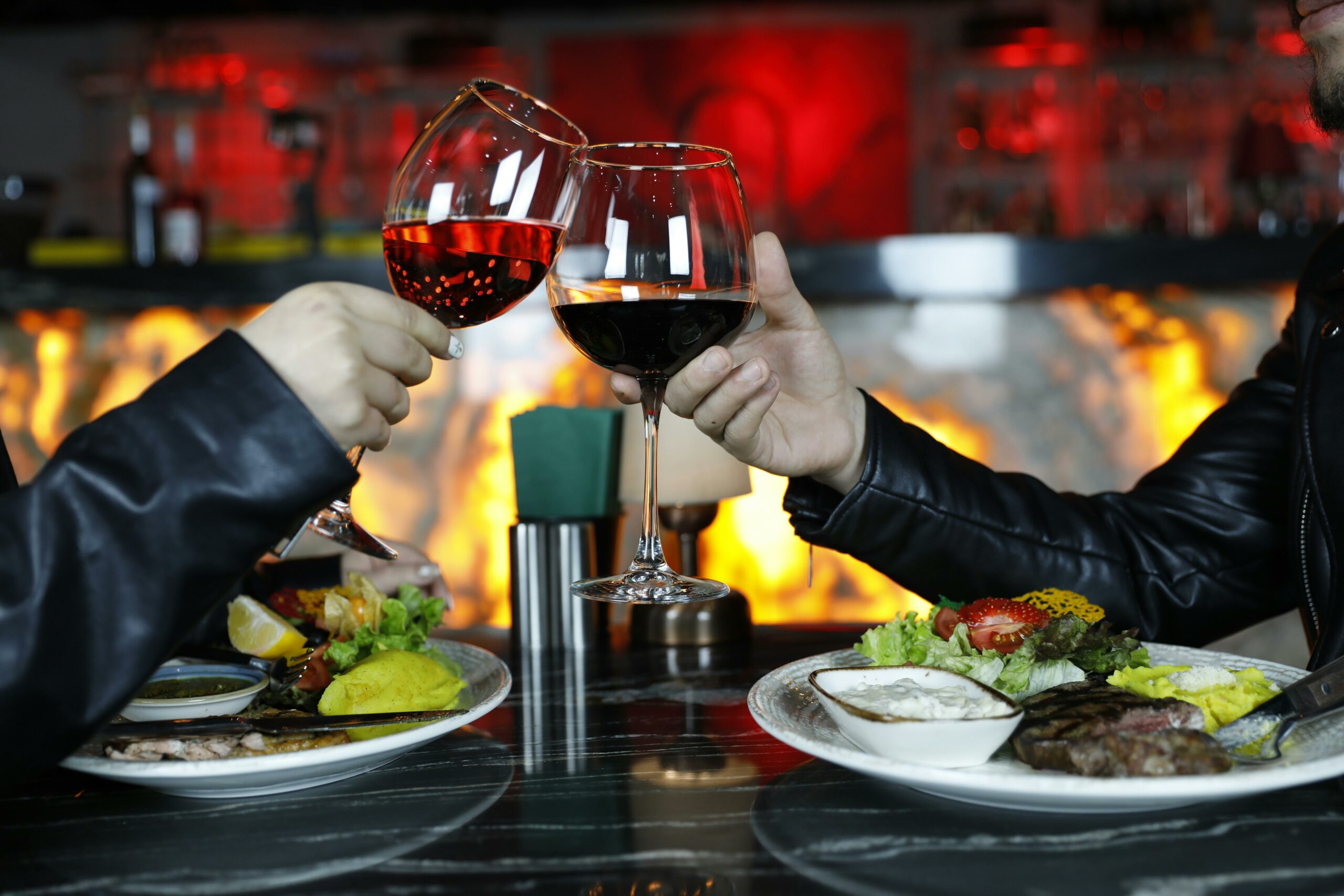
Before you book, run through this quickly :
Can you have a conversation without shouting ? Is the menu accessible for both of you ? Is the price range comfortable ? Is it easy to get to ? Does the lighting look warm and inviting ? Have you actually booked a table ?
If the answer to all of those is yes, you’re in good shape. Stop scrolling, stop comparing, and just book it. The restaurant doesn’t need to be perfect. It needs to be a good setting for a good conversation. That’s all.
And honestly ? The fact that you’re even thinking this hard about where to go already shows you care. That counts for more than any wine list ever could.